
Blog
NEW RESEARCH: How do you do it? Gender equity in Scottish independent film exhibition
 Our latest research, in partnership with Film Hub Scotland, looks at gender equity in Scottish independent film exhibition. Highlighting the lived experiences of women and gender diverse workers, the report makes five key recommendations for sector improvement.
Limited career progression pathways, precarious employment and informal recruitment practices are among the structural barriers contributing to gender inequity in Scotland’s independent film exhibition sector, our report finds.
The research drew on Film Hub Scotland’s membership of more than 320 Scotland-based film exhibitors to gather perspectives from people of different gender identities working across local independent cinemas, community cinemas and festivals. Despite positive developments in the sector, inequities persist behind the scenes: high-pressure working environments, irregular schedules and demanding event preparations can make it difficult to sustain long-term careers in the sector, especially for people with caring responsibilities and/or those experiencing (peri-)menopause.
The report identifies five key findings:
1. Gender inequity in the sector is created and experienced primarily through
structural barriers
2. Women’s careers are impacted by responsibilities and challenges beyond the workplace
3. The sector has seen improvement over time, and many enjoy working in it, but progress is uneven
4. The lack of appropriate safeguarding structures and procedures is palpable and concerning
5. There are significant data gaps about Scotland’s film exhibition sector
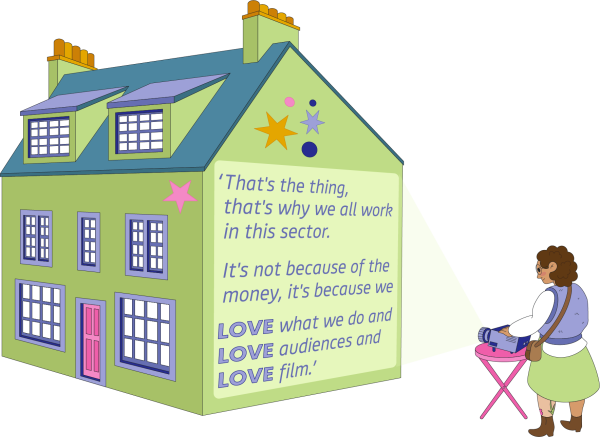 54% of respondents to the survey conducted as part of the research believe there is a gender pay gap in Scotland’s independent film exhibition sector. In the absence of recommended rates of pay card for the sector, interviewees raise concerns about the lack of pay transparency.
The research also highlights gaps in workplace protection, particularly among smaller organisations with limited HR and safeguarding resources. Responding to the interviewees’ demand for an external reporting mechanism, the report calls for greater awareness of the Creative Industries Independent Standards Authority (CIISA) as an independent whistleblowing channel for workers in the creative industries and recommends that industry stakeholders – including Film Hub Scotland – proactively signpost existing resources and avenues of support.
Our report identifies positive developments within the sector, including supportive colleagues, peer mentorship opportunities and flexible working arrangements that help people balance professional and caring responsibilities. However, progress remains inconsistent, with systemic bias and gender stereotypes continuing to affect women’s career experiences.
To address these challenges, the report sets out five key recommendations for employers and industry stakeholders:
1. Make recruitment more transparent and inclusive 
2. Strengthen progression pathways for both early- and mid-career workers
3. Widen access to training and mentorship, and support peer networks
4. Conduct research into sector rates of pay within the next five years
5. Develop strong safeguarding systems and raise awareness of internal and
external support mechanisms
“While many organisations and people in Scotland’s independent film exhibition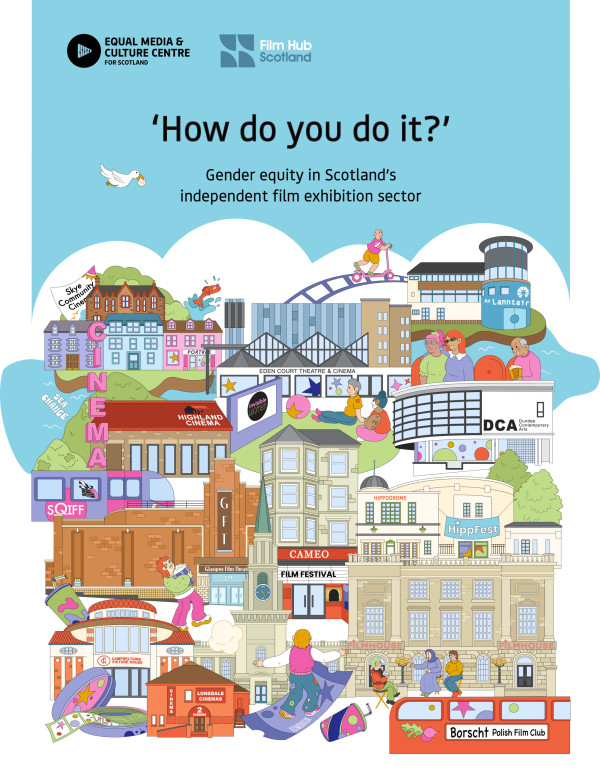
sector have championed progressive change, there persist structural inequities that
women in the sector have been speaking about for a long time. We are pleased that
this report evidences these structural inequities and includes next step
recommendations for film exhibitors, sector support organisations and funders. The
report highlights that structural change must happen to ensure that film exhibition is
a safe, accessible and fair sector for women, particularly women from marginalised
backgrounds. We hope that this report, and the change it may help to bring about,
will remove barriers, so that women can fully participate in Scottish film exhibition
and that the sector fully values women’s labour and expertise in the workforce.”
– Katie Goh, Project Manager, Equal Media and Culture Centre for Scotland (EMCC)
“Independent film exhibition is a unique part of the screen sector, and no two
organisations are alike from a worker’s perspective. While both are considered film
exhibitors, cinemas occasionally resemble museums or theatres more than film
festivals as work environments. Such diversity makes for a lively cultural landscape,
but it also contributes to a significant variation in schedules, career pathways,
employment statuses and support needs of professionals working in independent
film exhibition. We hope the report demonstrates the wide range of challenges
women face in the sector and underscores the need for a lot more
knowledge-gathering, as well as strategic, targeted, and evidence-based support
and intervention.”
– Ilia Ryzhenko, Film Hub Scotland Manager
READ THE REPORT IN FULL.
About Film Hub Scotland
Delivered by Glasgow Film, Film Hub Scotland is part of the BFI Film Audience Network and is supported by the BFI and Screen Scotland, both awarding National Lottery funding.
Illustrations and report design by Madeleine Leisk.
 RSS
Get in touch
Explore how you can contribute to our vision of a more gender-equal media and culture in Scotland by reaching out today.
Sign up to our mailing list
Sign up to receive updates on EMCC events, opportunities, and our latest reports, straight to your inbox:
