Blog
GUEST POST: Louise Oliver on vanishing cultural spaces
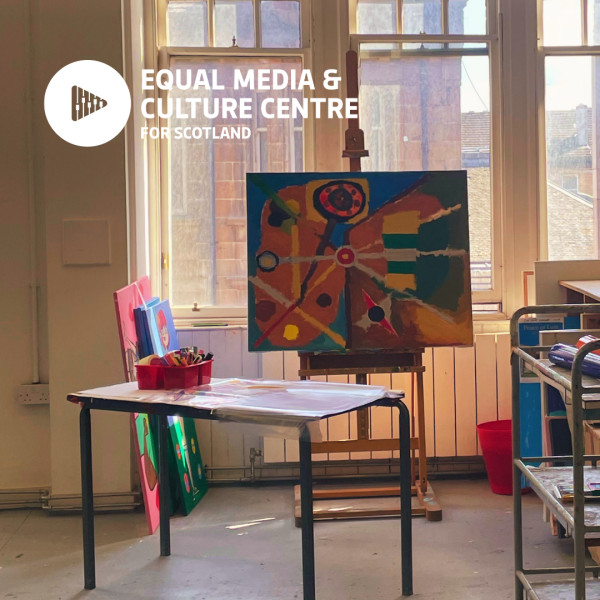 In this blog we hear from writer, producer, actor and arts-sector multi-hyphenate Louise Oliver. Louise reflects on the current precarity of cultural spaces in Scotland, and the impact this has on women working in the sector - many of whom are freelance. Louise has been at the centre of the issue in her role as Interim Creative Programme Director of Glasgow Media Access Centre (GMAC), and we’re delighted to be sharing her thoughts.
I am a woman in the arts and I am exhausted.
One of the key beats in the brief for this piece was that it be “evergreen”. As an opening statement, I’m not sure it comes any more perennial than that.
As to the part that might date things - I write this from the position of being enmeshed in the most recent creative spaces scandal gripping the City of Glasgow. Hot on the heels of the closure of the CCA in January, Merchant City cultural hub Trongate 103 is facing its own uncertain future. Trongate 103 is a 5 storey, Category B listed building designed by the prominent and fundamentally Glaswegian architectural firm John McKissack and Son - who has roots at Glasgow’s School of Art, and was responsible for designing Glasgow’s most famous art deco cinema buildings. Fitting then, that this historic building was refurbished in 2008 to the tune of £8 million pounds of public money with the express purpose that it be a protected centre for the arts, with cultural organisations, galleries and charities as tenants; including GMAC Film, Sharmanka Kinetic Theatre, Project Ability, Transmission Gallery and the Glasgow Print Studio.
But now Trongate 103’s future looks uncertain. The building’s landlord has terminated the leases of the organisations housed there, quadrupled the rent, and decreed that tenants sign their financially crippling new lease agreements, and ultimately go bankrupt, or leave. If you need more context, it’s here.
There’s been a lot of press coverage of this most recent travesty concerning Glasgow’s beloved brick and mortar, but most media outlets missed what I believe to be the sticky centre of the point; that we, the people and the artists, are paying a massive gendered pay discrimination fine.
Glasgow City Council is paying an estimated £770 million to settle long-running equal pay claims, largely stemming from a discriminatory pay and grading system. The settlement covers around 19,000 predominantly female employees - such as cleaners and carers - who were paid less than colleagues in male-dominated roles. This painful and sorry saga has been described as one of the largest equal pay disputes in the UK. The solution? The council approved a strategy to sell and lease back key public assets, mostly civic and creative spaces, including the City Chambers, Kelvingrove Art Gallery, and of course, Trongate 103.
Justice was rightly awarded to those who fought for pay equity, but the impact of one cumulatively seismic discriminatory approach, like an ocean earthquake, has rippled out and is rolling into other areas of social and civic life with devastating effect. If I’ve said it once, I’ve said it a thousand times; sexism and the patriarchy ruin everything.
While artists take to the streets and the landlords and councils prevaricate, the loss of another cultural space will disproportionately affect the boots on the ground creative freelancers, particularly women, who make up almost half of that workforce. Did you know that women occupy 60% of part-time positions within the creative industries? (1) We don’t need to deep dive into the data to make a safe bet on why that might be. So, when cultural hubs close or are defunded, it cuts off a lifeline to that 60%. From front of house to running workshops; precarity for these spaces means precarity for the workforce that literally greases the wheels of the UK’s creative industries. As to the fight to save these spaces, it is often women on the front lines. It is women who are often the most vocal, whilst also quietly panicking about how they are going to manage it all if one of their jobs is gone because a board decides to shut the doors of your workplace.
I’m reminded how vital cultural third spaces are to communities who often find themselves on the fringes of what is considered mainstream. Spaces like the CCA, Trongate 103, and Summerhall in Edinburgh, which found itself on the brink of closure two years ago, provide space to experiment, nurture a practice, give room to fail - all essential to the creative process and to a healthy arts scene. These are places that can and will platform stories and art you are never likely to see in big nationally funded theatre or galleries. They are also hives of employment for people with portfolio careers.
Until spaces like Trongate 103 are in receipt of secure and long-term funding, the freelancers and creatives on the sharp end of cuts and closures are always going to be at risk. Corporate interest might call these acceptable losses, but for a city like Glasgow that prides itself on a world- famous creative identity, it’s nothing more than cultural bankruptcy.
Is it any wonder we’re tired?
About Louise Oliver: 
Louise Oliver is an actor, writer and multi-hyphenate creative from Glasgow. A Theatre Studies graduate of the University of Glasgow, she also trained as an actor at the New York Conservatory for Dramatic Arts. She is the co-founder of Persistent and Nasty - a podcast and advocacy initiative for women working in arts and culture - and also of Bar Italia Films. As a screenwriter she has been developed by Short Circuit (Screen Scotland) and the Edinburgh International Film Festival’s Talent Development Hub. She is the Theatre and Performance Programmer for Paisley Arts Centre and the Producer of the Paisley Book Festival.
References:
-
GENDER INEQUALITY IN THE CREATIVE ARTS National Advisory Council on Women and Girls: Monthly Spotlight, August 2021, p.1
Photograph by Sidey Clark
 RSS
RSSGet in touch
Explore how you can contribute to our vision of a more gender-equal media and culture in Scotland by reaching out today.
Sign up to our mailing list
Sign up to receive updates on EMCC events, opportunities, and our latest reports, straight to your inbox: