Blog
GUEST POST: IWD 2026 – Iona Fyfe on meaningful change in music
 Content Note: This blog contains references to sexual harassment and violence against women.
International Women’s Day 2026 falls in the lead up to the Scottish Parliament elections. With this in mind, we have asked women working in the arts and culture sectors to reflect on our 2026 Manifesto: Transforming Culture for a Fairer Future. In her blog, Aberdeenshire musician and folk singer, Iona Fyfe, reflects on women’s experiences of harassment and gendered barriers in Scotland’s traditional music scene, as well as the need for improved funding.
As a self-employed musician from a working-class background who is also a chronically ill woman, the odds were stacked against me from the outset of my creative journey. Persistent curveballs, roadblocks and challenges have been thrown my way as I delved into a life of being a full-time freelancer, navigating my way through a pandemic which decimated my livelihood overnight and dealing with fibromyalgia, an under-researched condition that disproportionately affects women and is often dismissed by medical professionals.
My journey started in the folk clubs and traditional music sessions of the North East of Scotland. These gatherings serve as a place where people of all ages and backgrounds come together to share their love for our culture, traditions, and heritage. Of course, protest song is a formidable part of the tradition but the passing down of songs from generation to generation was itself a feeling of liberation, community and belonging – knowing that you were being trusted with carrying on a part of the tradition.
Much of my traditional song repertoire was collected by folklorists in the 20th century from the singing of women from the travelling community – women like Jeannie Robertson, Sheila Stewart and Elizabeth Stewart, who would have faced persecution and ‘othering’ by non-travelling people, who lived in a far more patriarchal society than we do today, and who at times were subject to domestic abuse in their personal lives. It was this repertoire which spurred me to pursue a degree in Traditional Music at the Royal Conservatoire of Scotland, where at the age of 17, I realised just how unfair, unsafe and unequal the playing field was for women in the culture sector. In the intervening decade, I became acutely aware of the need for a near-complete reset of the culture sector to truly achieve an equality for women that isn’t tokenistic.
I feel sad when I recall the time that I got paid almost £500 less than a male counterpart for carrying out the exact same work at the exact same gig. I feel angry when I think of the time a man offered me paid work in return for sexual relations. I feel broken when I think of all the missed work and opportunities I’ve had due to chronic illness, surgery or hospital visits. I feel enraged when I recall that a festival didn’t book me because they already had their ‘Scots women band’.
In my opinion, meaningful systemic change can only be realised to its full potential with a top-down approach. The grassroots organisations, that are often operating on shoestring budgets, with unpaid or underpaid workers and volunteers, should not be left alone to shoulder the brunt of the work. This is why I strongly support the call for the next Scottish Government to implement a national strategy that addresses inequality, including discrimination, in Scotland’s culture and media sectors.
In my own sector, the severity and pervasiveness of sexual harassment and abuse in the traditional music and folk scene, has been highlighted through the publication of a report by the Scottish Centre for Crime and Justice Research at the University of Glasgow which showed that 81% of women musicians working in the Scottish folk music scene reported having been sexually assaulted or harassed.
Despite significant anecdotal evidence and on-going discussion about harassment in the Scottish folk scene, there existed limited research evidence addressing sexual violence and harassment in the Scottish folk music scene until the report was published in January 2026.
I was saddened but not surprised to read that 77% of the 409 women surveyed felt that the Scottish folk scene was not a safe place for women. What truly broke my heart was the fact that 15% of respondents reported that they no longer worked in folk music as a result of sexual harassment and violence.
If our folk singers are leaving the industry, then who, at times of immense change and crisis, are going to be the people who sing truth to form? Who will use their platform through song to advocate for peace, tolerance and inclusion?
The report, which provides eighteen key recommendations for enacting change, is truly damning and highlights the need for a shift in mindset as well as a structured, joined up response that moves “beyond informal coping strategies and individualised risk management, towards accountability, safeguarding, and cultural change.”
Having the cold hard stats and data presented in a study is incredibly important in making the case for governmental intervention via the implementation of a national strategy or framework. This incredibly important research was only made possible through The University of Glasgow’s Sociological and Cultural Studies Divisional Research seed-corn fund. What happens when Scottish universities delve deeper into the higher education funding crisis and money for use in impactful research like this dries up or disappears altogether?
At the core of this is funding. A well-funded education and culture sector is imperative in addressing systemic inequality that exists in our industries and indeed in wider society. I firmly support EMCC’s call for the Scottish Government to increase its culture spending to 1% of the overall budget. I type this from a tour bus in Germany, where in 2025, the Federal Culture Budget was €2.33 billion. We can do better.
Read Transforming Culture for a Fairer Future.
About Iona Fyfe
Iona Fyfe is an Aberdeenshire folk singer and the Rector of the University of Aberdeen. In 2021, she became the first singer to win the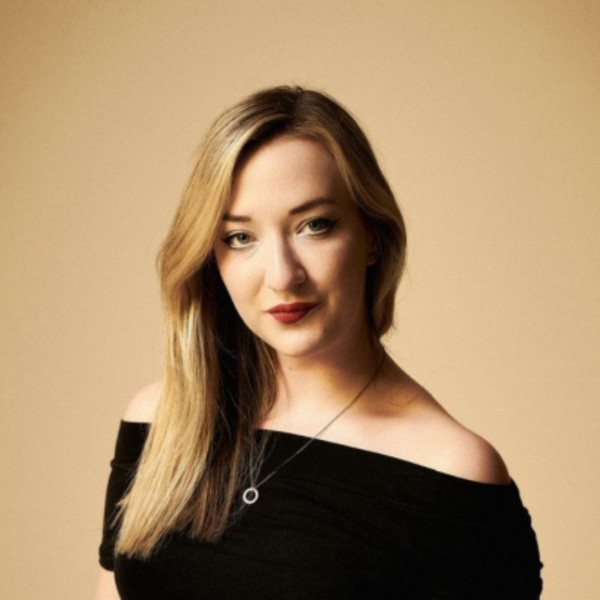 coveted title of Musician of the Year at the MG ALBA Scots Trad Music Awards. Iona is a fierce advocate for the official recognition of the Scots Language, leading a successful campaign to pressure Spotify into recognising Scots and add it to its list of languages. Iona is a regional member of the Musicians Union’s Scotland and Northern Ireland branch. She serves as a director of the Traditional Music and Song Association of Scotland. Iona is a passionate supporter of the statutory recognition of the Scots language. Iona has spoken out against sexual harassment and champions equality within the music industry. She has also discussed fair pay for music streaming and the effect of Brexit on live touring.
https://www.instagram.com/iona.fyfe
https://web-cdn.bsky.app/profile/ionafyfe.bsky.social
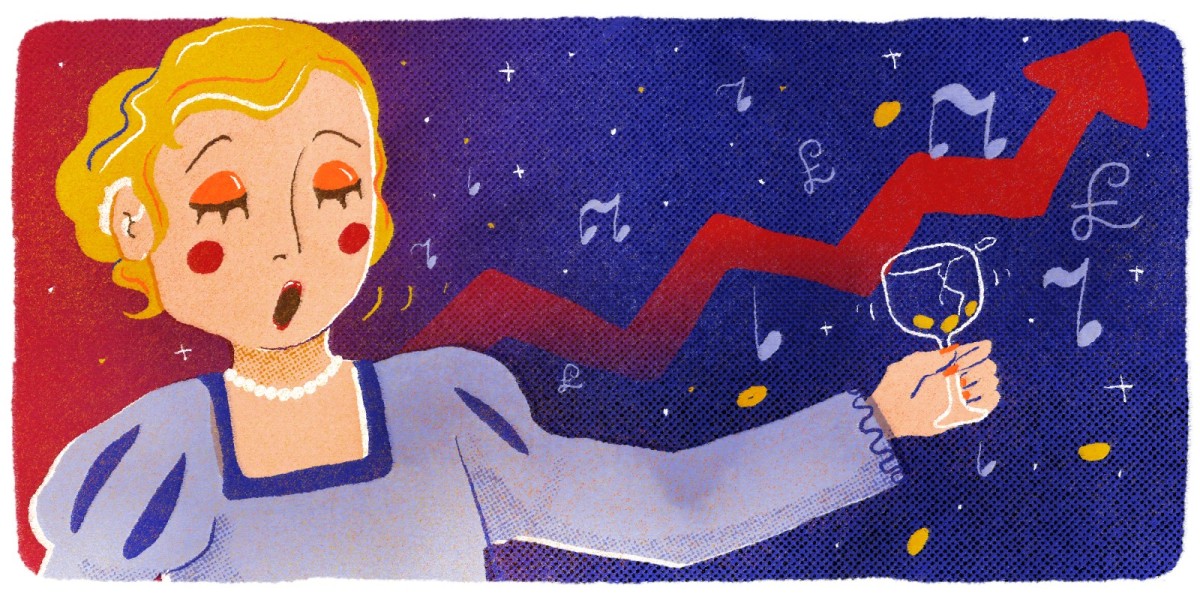
Illustration by Kumi McKenna.
 RSS
RSSGet in touch
Explore how you can contribute to our vision of a more gender-equal media and culture in Scotland by reaching out today.
Sign up to our mailing list
Sign up to receive updates on EMCC events, opportunities, and our latest reports, straight to your inbox: