Blog
New research: From token to transformation - the impact of Creative Scotland’s Equality, Diversity and Inclusion (EDI) Action Plan requirements.
We are delighted to share our latest research, a new discussion paper looking into Creative Scotland’s EDI requirements for the funding stream: National Lottery Open Fund for Organisations.
Our research was designed to run independently alongside the Scottish Government’s Independent Review of Creative Scotland, which was published in November 2025. Our aim is to ensure specific EDI insights on Creative Scotland’s processes were made publicly available, and to keep EDI within focus. The paper offers actionable recommendations to enhance Creative Scotland’s EDI requirements, and to help move beyond tokenistic tick boxes.
Our key findings show that:
- The EDI action plan requirement helped to formalise what organisations were already doing informally
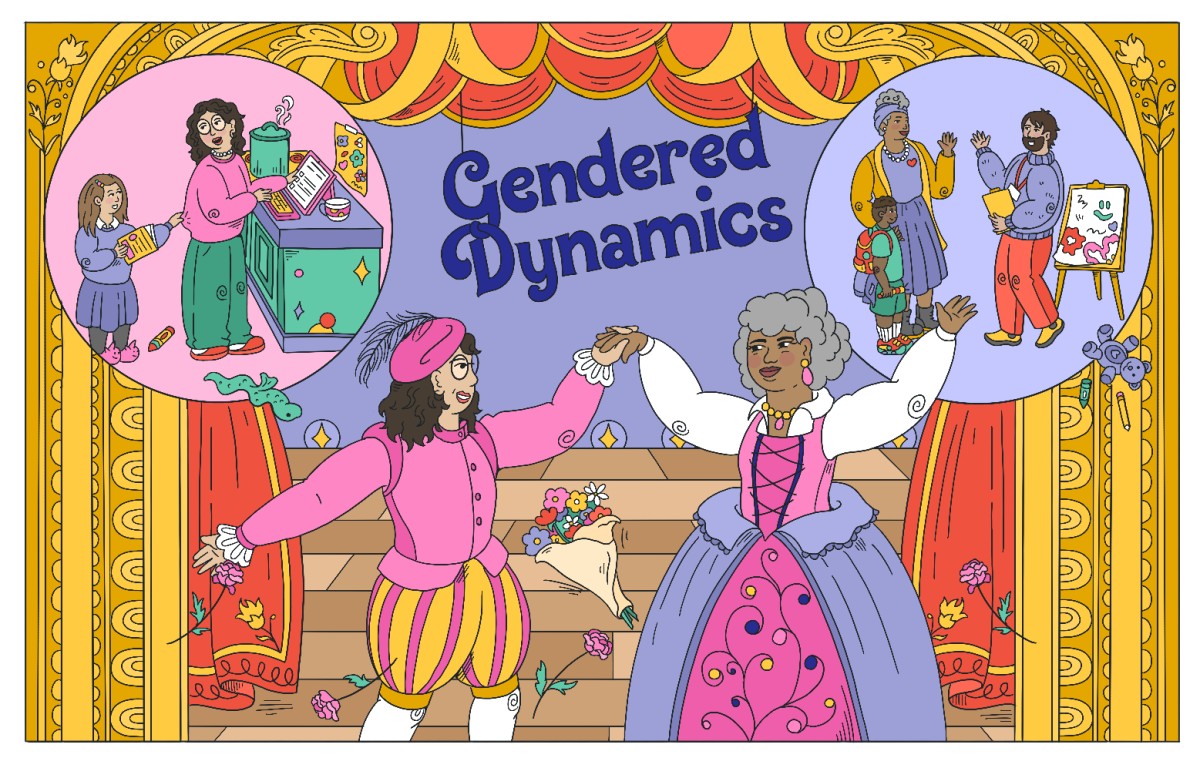
- Funding requirements feel disproportionate for small or micro organisations. These smaller organisations are often led by women who are dealing with gendered barriers. There exists a gendered dimension to the, often unpaid, labour women are providing within the creative sector in Scotland, prompting questions around how inclusive the funding process is
- Intersectionality was high on organisations’ priorities. This is despite intersectionality not being part of the EDI Action Plan Toolkit formal advice. This suggests that the sector’s understanding of EDI may be evolving faster than the support provided by Creative Scotland
- There is an evaluation and monitoring gap for the EDI requirement. As Creative Scotland operates on a “good faith basis” with funded organisations, there are potential gaps between the EDI work organisations say they are doing in application forms, and what they are actually doing in practice on EDI
- EDI was often seen in terms of achieving quantitative outcomes – how many people from specific demographics engaged with creative practice – and organisations had concerns about what type of information to collect and if it was ethical and proportionate
Our recommendations are:
1. Creative Scotland should develop an enhanced monitoring and evaluation framework for EDI requirements, that puts support and collaborative learning at its core.
At present, there is no resourced or formal monitoring and evaluation framework in place between Creative Scotland and funded organisations on EDI action plans, beyond the basic requirement to have one. 
In order to see real impact from EDI requirements, Creative Scotland should develop an enhanced monitoring and evaluation framework for funded organisations. This should go beyond annual reports and end-of-project reports. Rather than the current one-way communication stream, in which funded organisations report on EDI with little or no input from Creative Scotland, support and collaborative learning should be at the core of evaluating and monitoring the effectiveness of EDI action plans and requirements.
2. Creative Scotland should prioritise funding and support for the creation of EDI peer-learning and ‘champions’ networks, with a specific focus on those working in challenging contexts.
We recommend that Creative Scotland supports the development of EDI peer-learning spaces, including regional and identity-based networks, to ensure that those working in challenging contexts receive sufficient peer support.
Creative Scotland shared with us that they are intending to explore peer-to-peer support spaces for Multi-Year Funded organisations (dependent on the outcome of their organisational review). Ensuring this is delivered should be a priority, and we recommend that this support is extended to the Open Fund for Organisations and other funding streams too.
3. Creative Scotland should provide officers and application assessors with mandatory enhanced EDI training.
One of our key findings was that despite Creative Scotland stating that they do not provide formal support around EDI action plans and applications to the Open Fund for Organisations, many organisations reported receiving some level of advice about EDI from Funding Officers.
To ensure that EDI support is consistent and accessible, Creative Scotland should provide its officers and application assessors with enhanced EDI training.
4. Creative Scotland should undertake research on the capacity micro and small organisations have to adhere to Creative Scotland funding requirements, including gendered and intersectional pressures on staff.
As part of its Strategic EDI Priority, Creative Scotland should map the gendered dynamics of its own funding streams, particularly for smaller organisations. These findings should be mapped against Creative Scotland’s own EDI and Fair Work Strategic Priorities and future ambitions.
Creative Scotland should use this research as means to identify key actions it can implement to improve the funding application process situation for small and micro-organisations, to ensure this scale of organisation is not being inadvertently discriminated against.
Read the discussion paper in full.

Event: Lunchtime webinar
Join us as EMCC Project Manager Katie Goh presents the key findings and recommendations from our research paper before we open out to a panel discussion with experienced arts and culture professionals Veronique AA Lapeyre, Director of Scottish Contemporary Art Network and Halina Rifai of We Are Here Scotland / Creative Balance and practising audio industry professional. Following the discussion we’ll have an audience Q&A.
- Tuesday 27 January
- 13.30-14.30
- Zoom
This event is free to attend and live captions will be provided via Streamtext. 
Sign up via our Eventbrite page to secure your place.
Illustrations by Madeleine Leisk.
 RSS
RSSGet in touch
Explore how you can contribute to our vision of a more gender-equal media and culture in Scotland by reaching out today.
Sign up to our mailing list
Sign up to receive updates on EMCC events, opportunities, and our latest reports, straight to your inbox: